| Video Temporal Reasoning: |
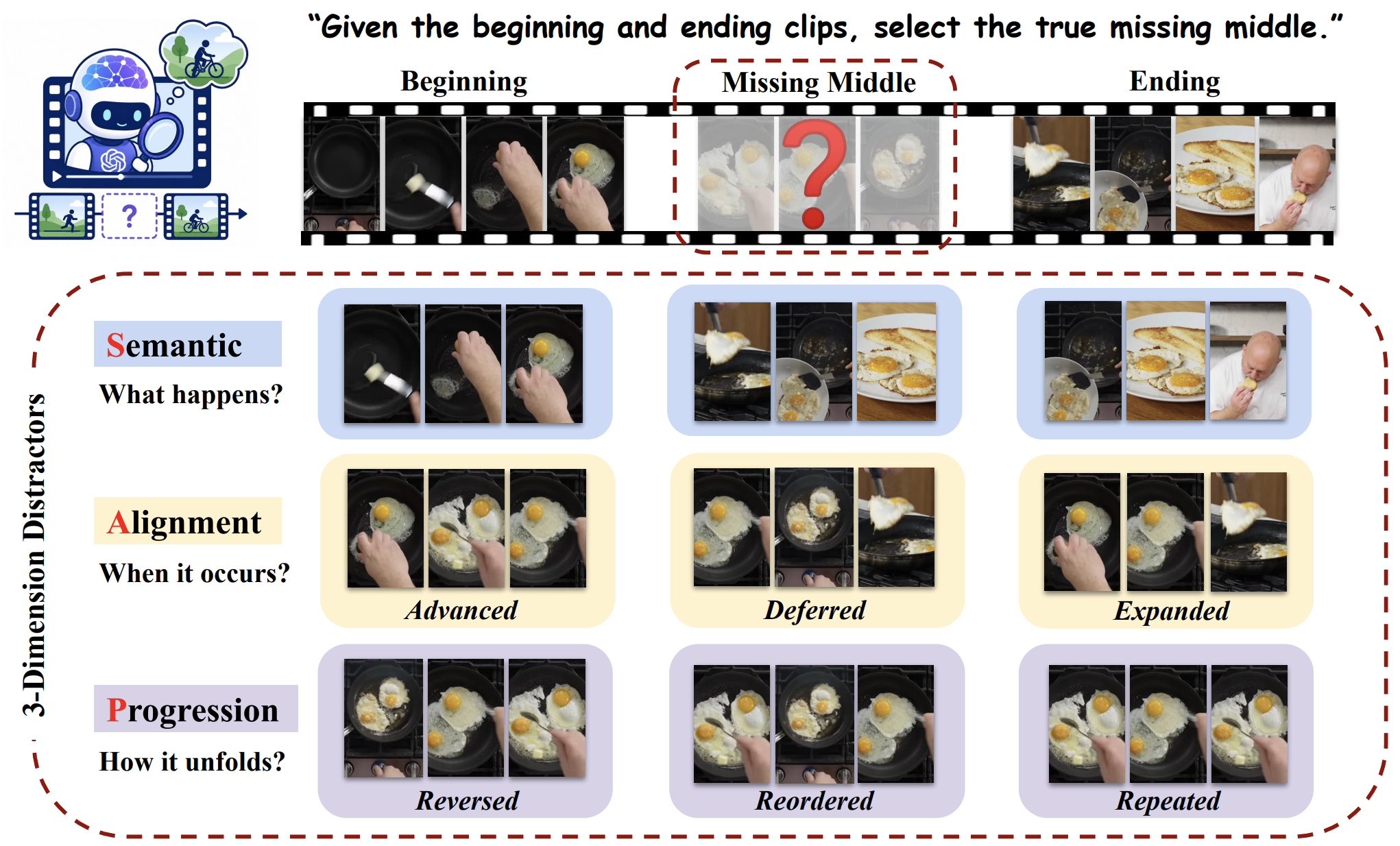 |
TempCloze: Can Video-LLMs Identify the Missing Middle?
Wenqi Pei*, Henry Hengyuan Zhao*, Yilai Liu*, Jiahao Meng, Han Chen, Ziyu Wang, Hongyang Du *Equal contribution
EMNLP 2026 Findings
We focus on evaluating the "temporal reasoning" capabilities of existing frontier models and construct a filtered dataset of 1,521 long-take videos spanning three novel dimensions that are underexplored in previous video temporal reasoning benchmarks.
|
| Process Reward Model: |
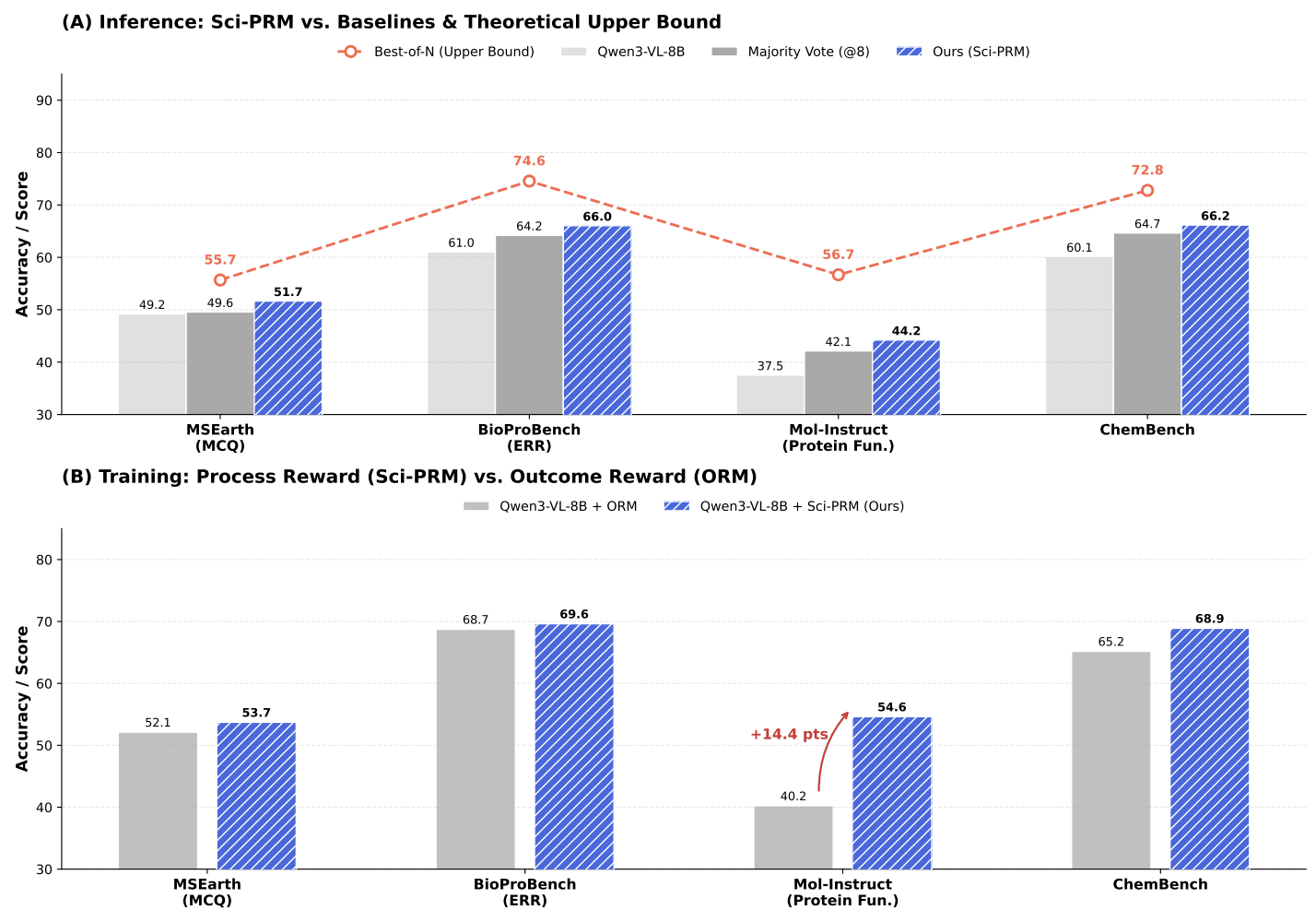 |
SCI-PRM: A Tool Aware Process Reward Model for Scientific Reasoning Verification
Xiangyu Zhao, Henry Hengyuan Zhao, Yiheng Wang, Wanghan Xu, Yuhao Zhou, Qinglong Cao, Zhiwang Zhou, Lei Bai, Wenlong Zhang, Xiao-Ming Wu
KDD 2026
We construct SCIPRM70K, a large-scale dataset featuring Chain-of-Tool trajectories that explicitly interleave reasoning with the execution of scientific tools. Building upon this, we train an efficient reward model called Sci-PRM to provide fine-grained supervision on tool selection, execution accuracy, and result interpretation at each step in one inference.
|
| Visual Chart Coding: |
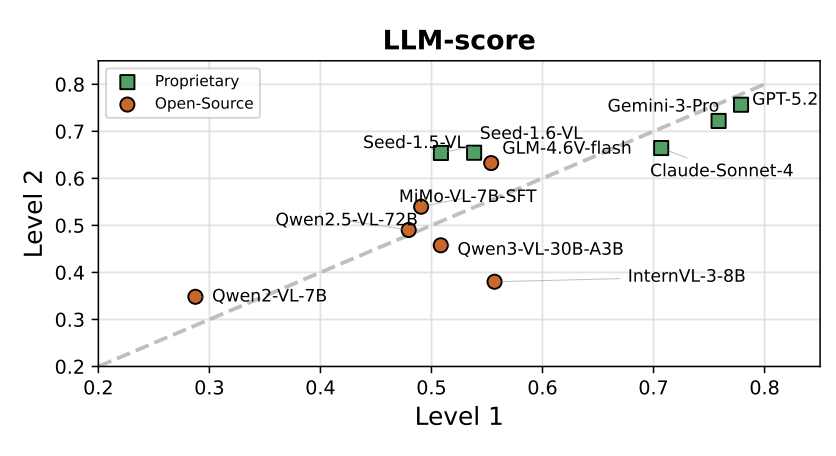 |
From Charts to Code: A Hierarchical Benchmark for Multimodal Models
Jiahao Tang*, Henry Hengyuan Zhao* (Project Lead), Lijian Wu*, Zijian Zhang, Yifei Tao, Dongxing Mao, Yang Wan, Jingru Tan, Min Zeng, Min Li, Alex Jinpeng Wang *Equal contribution
ACL 2026 Main
A challenging chart-to-code benchmark with three hierarchical tasks.
|
| Human-AI Interaction: |
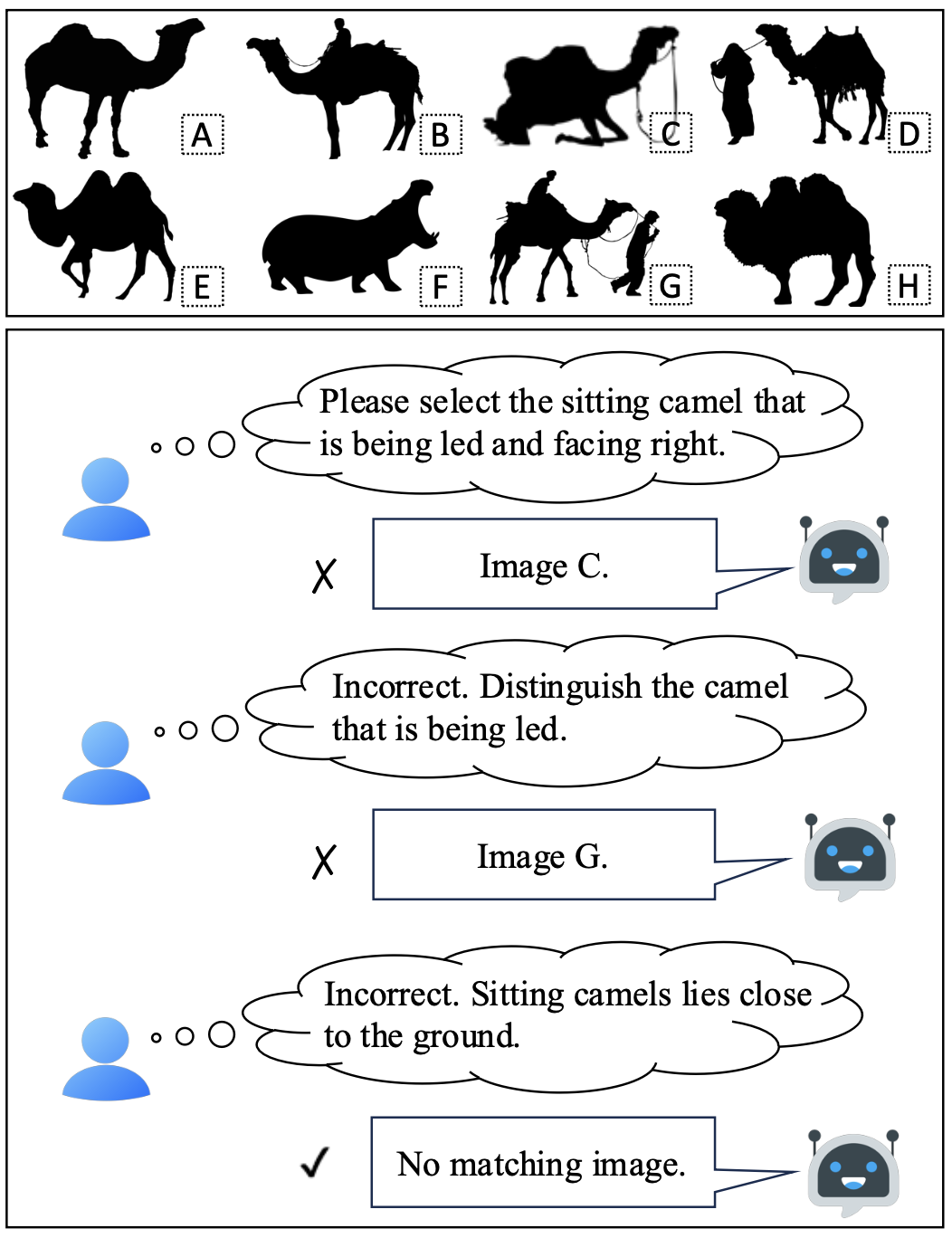 |
InterFeedback: Unveiling Interactive Intelligence of Large Multimodal Models via Human Feedback
Henry Hengyuan Zhao*, Wenqi Pei*, Yifei Tao*, Haiyang Mei, Mike Zheng Shou *Equal contribution
EMNLP 2025 Findings
ICLR 2025 @ Bi-Align Workshop (Oral)
We study whether LMMs can evolve via interactive human feedback and find: (1) Accuracy may not fully capture intelligence; (2) LMMs may cater to humans; (3) Low-quality feedback can hurt more than simple binary feedback.
|
| GUI Interaction: |
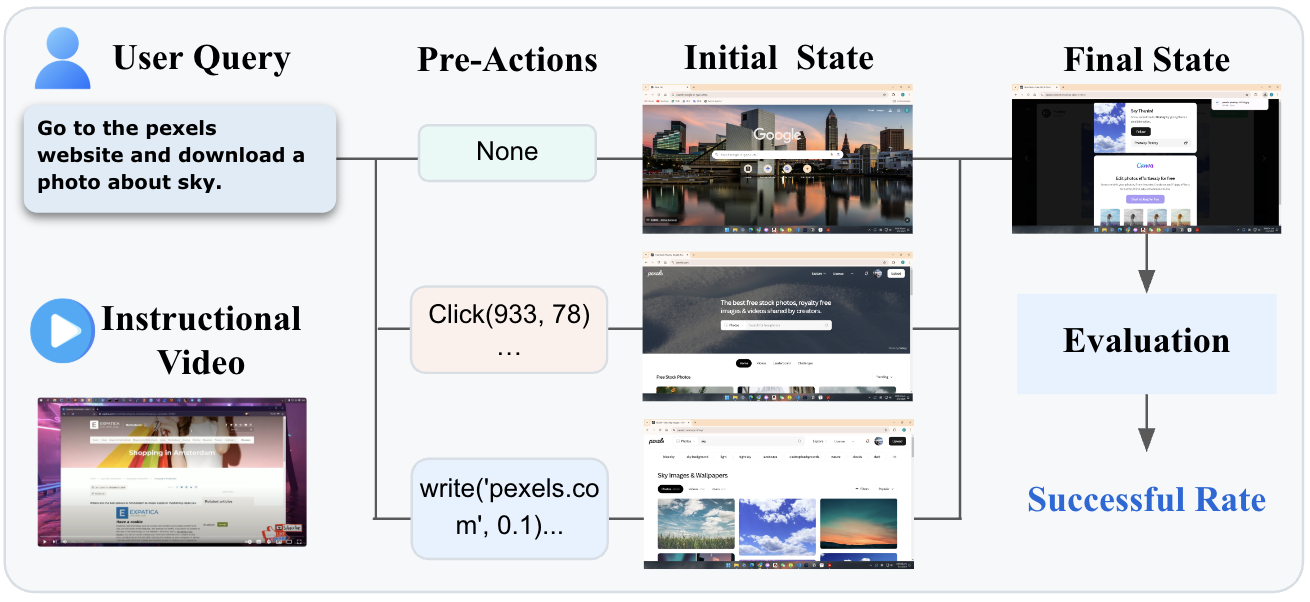 |
WorldGUI: An Interactive Benchmark for Desktop GUI Automation from Any Starting Point
Henry Hengyuan Zhao, Kaiming Yang, Wendi Yu, Difei Gao, Mike Zheng Shou
ACL 2025 @ REALM Workshop
The first GUI benchmark targeting dynamic planning and action-event detection for desktop automation. In this work, we study the influence of environment feedback to agents.
|
| Post-Training of MLLMs: |
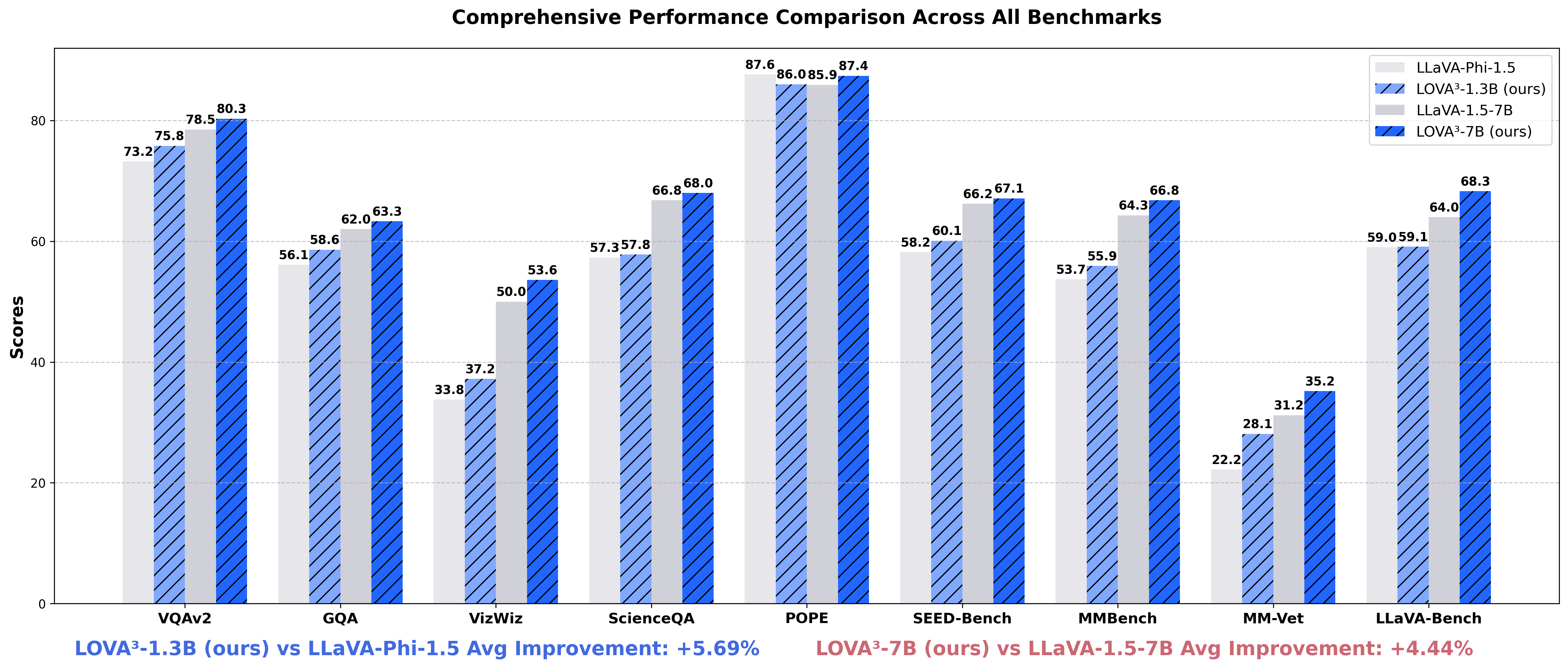 |
LOVA3: Learning to Visual Question Answering, Asking and Assessment
Henry Hengyuan Zhao, Pan Zhou, Difei Gao, Zechen Bai, Mike Zheng Shou
NeurIPS 2024
Only answering questions? Let’s think about asking and assessing questions when training MLLMs?
Without hyperparameter tuning or additional data annotation, consistent performance improvements are achieved! In this work, we study whether learning to ask questions and assess responses can strengthen a base model.
|
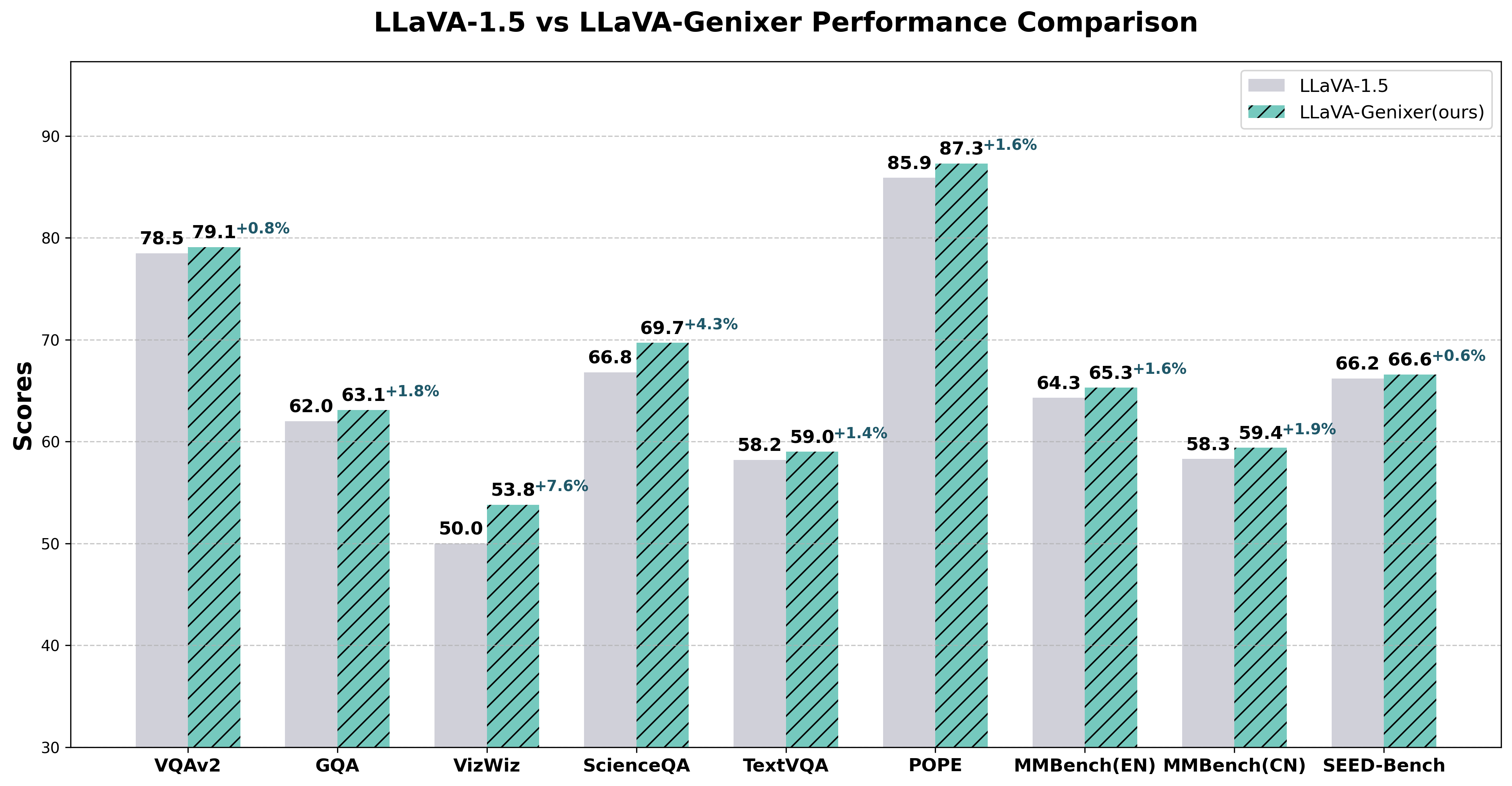 |
Genixer: Empowering Multimodal Large Language Models as a Powerful Data Generator
Henry Hengyuan Zhao, Pan Zhou, Mike Zheng Shou
ECCV 2024
First to examine MLLMs for data generation—showing diverse data synthesis and measurable downstream gains.
|
| Parameter-Efficient Tuning: |
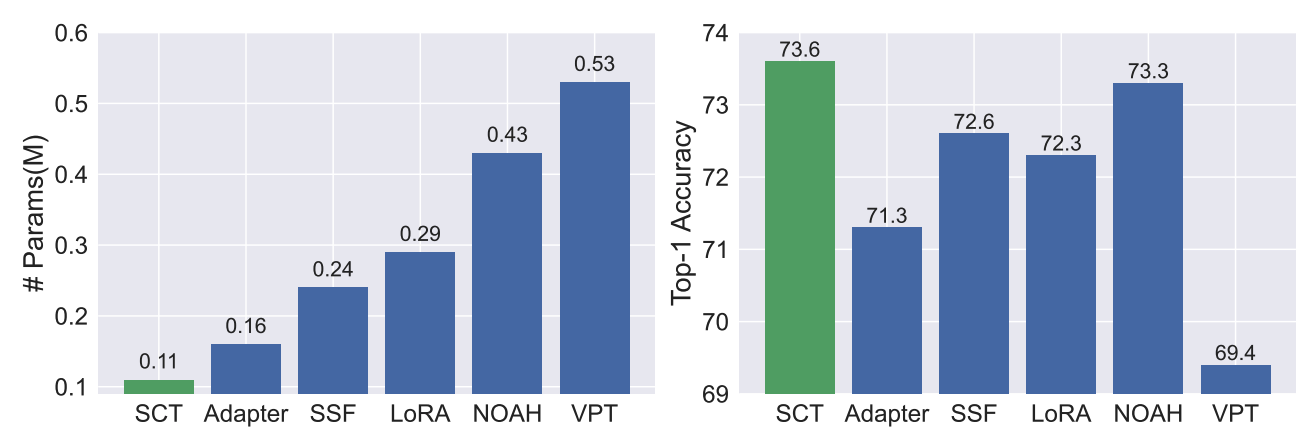 |
SCT: A Simple Baseline for Parameter-Efficient Fine-Tuning via Salient Channels
Henry Hengyuan Zhao, Pichao Wang, Yuyang Zhao, Hao Luo, Fan Wang, Mike Zheng Shou
IJCV 2023
Tuning only a small set of salient channels achieves up to 780× parameter reduction vs. full fine-tuning.
|